Rubber Pipes
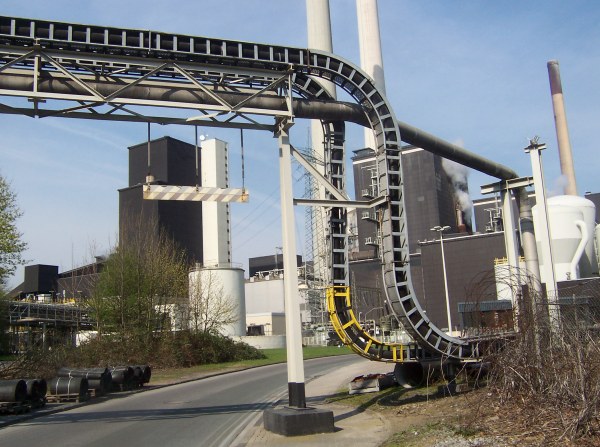
Rubber pipes are the flexible solution in process engineering for hydraulic and pneumatic conveying. We provide consulting and procurement based on many years of experience with well over 1000 installations, e.g. in power plants, the chemical industry, and many other applications in industrial process engineering.
Requirements such as abrasion, corrosion, encrustation, and compensation make the use of flexible rubber pipes worth considering. These criteria are the actual decision-making factors for the use of rubber pipes. In contrast to hoses, which are mainly used for medium-term, mobile applications, rubber pipes are the long-term alternative to conventional pipes made of steel or plastic. The decisive factor for their use is thus an improvement in plant availability. When used correctly and appropriately, rubber pipes are a key component in the overall system.
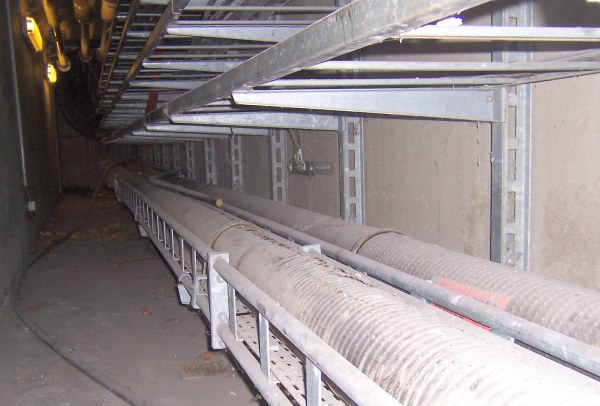
The product range includes rubber pipes with nominal diameters from DN 25 to DN 300. The maximum permissible operating pressure is 10 bar, and the maximum permissible operating temperature is +75 °C (subject to verification of chemical resistance). Connection dimensions according to standard DIN flanges. The delivery length depends on the nominal diameter and ranges between 12 and 40 m.
Fields of Application
Rubber pipes are mainly used in the chemical, mining, construction and building materials industries, power plant technology, foundry technology, and wastewater treatment. Applications include, for example, flue gas cleaning, coal washing, hydraulic and pneumatic solids conveying.
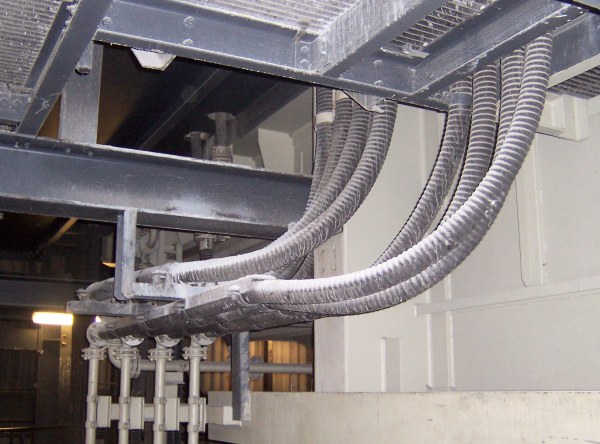
In addition, rubber pipes are used in classification plants, crushing plants, loading and filling plants, tunnel boring machines, soil washing plants, sandblasting plants, trench cutter machines, heat exchanger cleaning systems, extraction systems, as well as in landfill degassing and gas wells.
Media
Rubber pipes are particularly suitable for combinations of several types of stress, e.g. from chemically aggressive and simultaneously abrasive media. Media conveyed in rubber pipes include: quartz sand, gravel, hard coal, calcium hydroxide, Sorbalit, mill scale, alumina, limestone, FGD suspension, corundum, bentonite, glass cullet, titanium dioxide, cement, soot, color pigments, aluminum chloride, lime milk, ash water, and slag water.
Rubber pipes are also suitable for many chemically aggressive carrier liquids, such as hydrochloric acid, sulfuric acid, phosphoric acid, caustic soda, potassium hydroxide, or chloride-containing solutions. Resistance must be checked for each individual case depending on concentration and temperature.
Standard Product Range
The product range includes rubber pipes with nominal diameters from DN 25 to DN 300. The maximum permissible operating pressure is 10 bar, and the maximum permissible operating temperature is +75 °C (subject to verification of chemical resistance). Connection dimensions according to standard DIN flanges. The delivery length depends on the nominal diameter and ranges between 12 and 40 m.
Options
- Larger nominal diameters, higher pressures and temperatures
- Other elastomer qualities and flange designs
- Rubber molded parts, e.g. as bends or expansions
- Electrical wear monitoring